Editorial
How to wallpaper behind a radiator without taking it off
- #advice
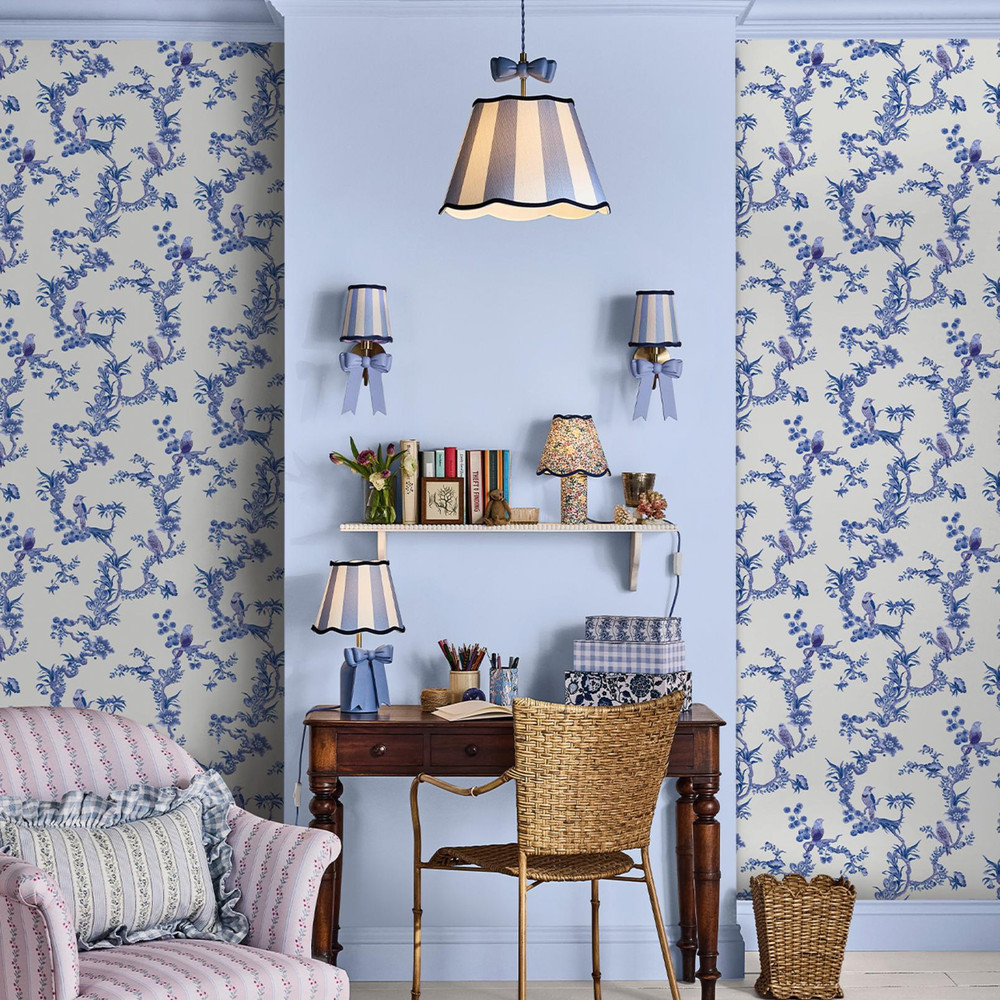
Taking a radiator off the wall means draining it, capping the valves, and hoping it all goes back without a drip. Most people do not want that job just to hang wallpaper, and the good news is you rarely need it. With the right roller and the paste-the-wall method, you can get a clean result behind a fixed radiator in an afternoon. Here is how we talk people through it in the shop.
First, the honest bit: how far down do you actually need to go
Stand back and look at your radiator. On most wall-hung radiators you can only see the wall for the top 15 to 20cm before the panel hides everything below. Nobody sees the paper behind the lower half, and they never will unless the radiator comes off. So the real task is papering the strip you can see and getting the paper to sit flat behind the top of the panel. You do not need a perfect finish all the way down to the skirting behind it.
Turn the heating off the night before
Paste dries far too fast on a warm radiator, and you cannot slide the paper into place to match the pattern if it has already grabbed. Turn the heating off and let the radiator go properly cold. In winter that means the night before, not ten minutes earlier. A cold radiator also means you are not leaning your hands and arms against hot metal while you work.
The one tool that makes it possible
A radiator roller is a small foam roller on a long, thin wire handle, made to reach down the gap behind the panel. They cost a few pounds from any decorating shop. It is the tool that does the job an ordinary brush cannot, because it pushes the paper flat against the wall in a space your hand will never fit. If you do not have one, a clean wooden batten or a long ruler wrapped in a soft cloth will smooth the top section, but the roller is worth buying for the bit you cannot see.
Use paste the wall, not paste the paper
This is where the modern method earns its keep. With a paste-the-wall paper you roll the paste straight onto the wall, including the strip behind the radiator, then hang the paper dry. There is no soggy, folded length of pasted paper to feed into a tight gap. The paper goes up cleaner, slides better, and is far less likely to tear. Most non-woven papers we stock are paste the wall, and the product page tells you which method a design needs. If you are not sure of the difference, our guide to the two methods is worth a read first.
Step by step
Cut your drop to length as normal, allowing the usual few centimetres top and bottom for trimming. Match the pattern to the length already on the wall before you paste anything.
Paste the wall, working the roller right down into the gap behind the radiator so the lower wall is covered too. Do not flood it, just an even coat.
Hang the top of the drop and line up the pattern. Smooth the visible section above the radiator with a brush or smoother as usual.
Feed the rest of the paper down behind the panel and run the radiator roller down it in long, firm strokes to press it flat. You are smoothing by feel here, so take your time.
Trim along the skirting where you can reach, and leave the hidden lower edge as it is. It does not need to be neat where no eye will ever land.
Working around the wall brackets
Radiators hang on two or more brackets fixed to the wall, and the paper has to get past them. Hold the drop against the wall and find where each bracket sits. Make a small vertical cut up from the bottom edge of the paper to the bracket, so the paper can slip either side of it. Keep the cut as short as you can, because it lives below the visible line and a smaller slit is tidier. Push the two sides flat behind the panel with the roller and the join all but vanishes.
A small, busy design is the forgiving choice for an awkward spot like this. Birds & Berries Blue is the sort of pattern that disguises a slightly off match behind a radiator far better than a large, precise repeat would. Study the large, zoomable detail photos on the product page and check the pattern-repeat figure listed there before you buy.
Check the repeat before you commit
Behind a radiator is a warm, slightly awkward spot, so it pays to choose a forgiving paper. A small or busy pattern hides a slightly imperfect match far better than a large, precise repeat. Check the pattern-repeat figure listed on the product page and study the large, zoomable detail photos before you buy the rolls: a small, busy repeat will forgive an imperfect match behind the panel, where a long, precise repeat will fight you for it.
When you have picked your design, the repeat and the hanging method are listed on every paper in the wallpaper collection, and a small floral or geometric is the easiest sort to hang in a spot like this. Check the repeat figure on the product page first, get a radiator roller, turn the heating off, and the rest is patience.