Editorial
Maximalist Wallpaper, Done Tastefully
- #trends
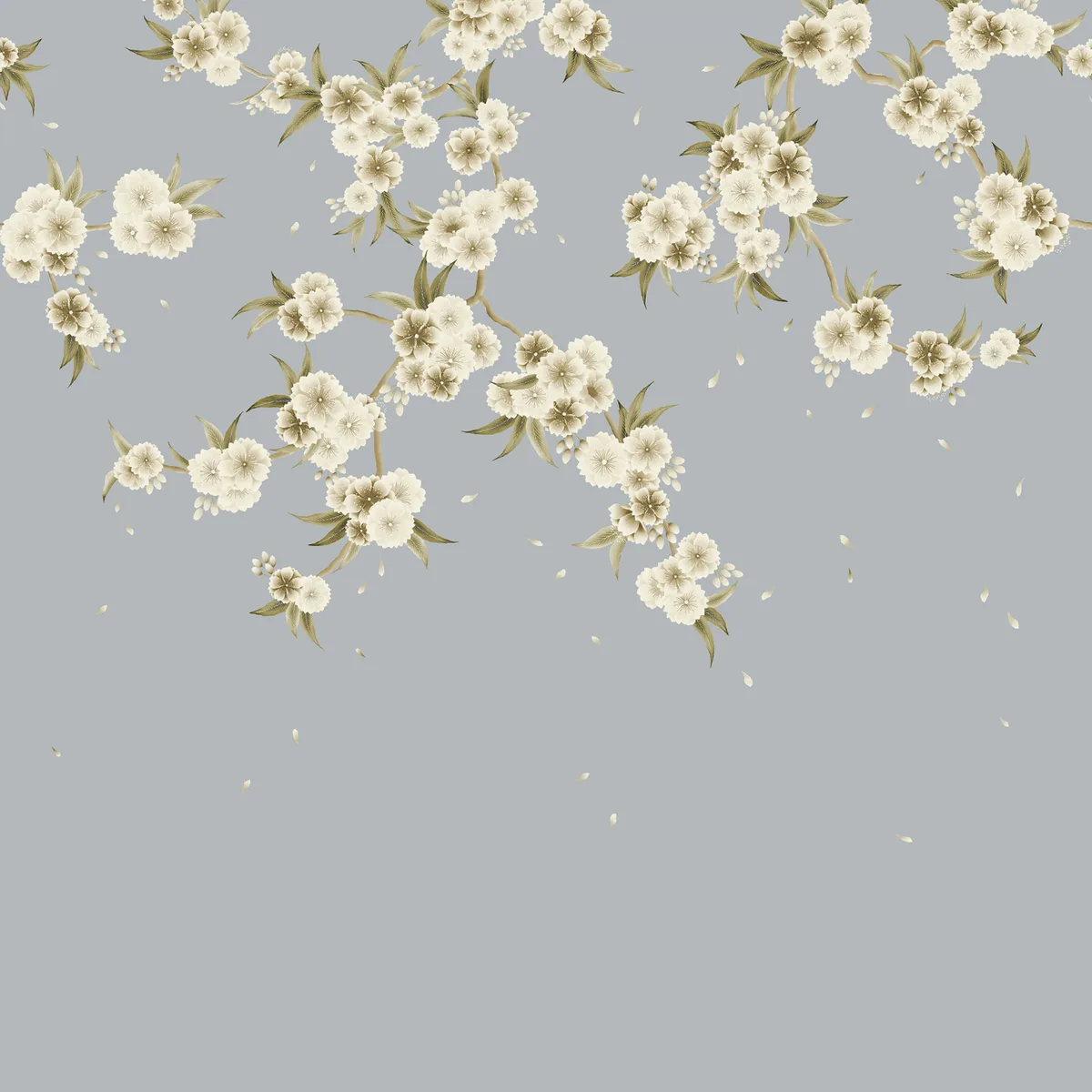
Maximalism gets a bad name. People picture a room fighting with itself, every surface loud, nowhere for the eye to rest. Done well, it is the opposite of that. It is one confident decision, made properly, with the rest of the room arranged to support it. A big pattern on the walls, the right colours pulled through the soft furnishings, and enough plain surface left over to let the whole thing breathe.
Maximalism is one big idea, not ten
The most common mistake is treating maximalism as more of everything. More pattern, more colour, more objects, all at once. That reads as clutter, not confidence. A better way to think about it: pick the one thing you want the room to be about, make that the boldest note, and keep everything else quieter than you think it needs to be. Usually the walls are the one big idea. A painterly floral or a dark botanical across a whole wall is a statement on its own, and it does not need a patterned sofa arguing with it.
Start with one wall
You do not have to paper the whole room to get the maximalist look. A single feature wall behind a bed, a sofa, or a fireplace carries plenty of drama, and it is far more forgiving than four walls of a busy print. It also keeps the cost sensible on the big wide-width papers, which are not cheap by the roll. If one wall lands well and you want more, you can always come back for the rest.
Pick a pattern with a big repeat
The papers that read as properly maximalist tend to have a large pattern repeat, which is the distance up the wall before the design starts again. Rosa and Florence, both from Harlequin's collaboration with the artist Diane Hill, have a repeat of 300cm. That means the painted flowers only come round again three metres up, so the design behaves like a mural rather than a tidy grid. That scale is exactly what gives a room the hand-painted, gallery-wall feeling maximalism is after. Both come wide-width at 0.685m rather than the usual 0.52m, and both are paste-the-wall with a straight match, which makes hanging that big design more manageable than it looks.
Let the paper choose your colours
The easiest way to keep a bold room from tipping into chaos is to take your whole scheme from the wallpaper itself. Look at the print and pick two or three colours already in it, then use those for the cushions, a lampshade, the curtains, a throw. Rosa's Blush Pearl, Peony and Meadow colourway hands you a pink and a soft green to work with straight away. Because every colour in the room is already sitting in the pattern, the eye reads it all as one considered scheme rather than a pile of competing choices.
Balance loud with plain
Every busy surface needs a calm one nearby. If the walls are working hard, keep the big pieces of furniture plain, and give the floor and the ceiling a rest. A maximalist room with a plain linen sofa and a simple rug looks deliberate. The same room with a patterned sofa, a patterned rug and a patterned blind looks like nobody could decide. Restraint in the right places is what makes the bold bit look like a choice.
Four patterns we keep reaching for
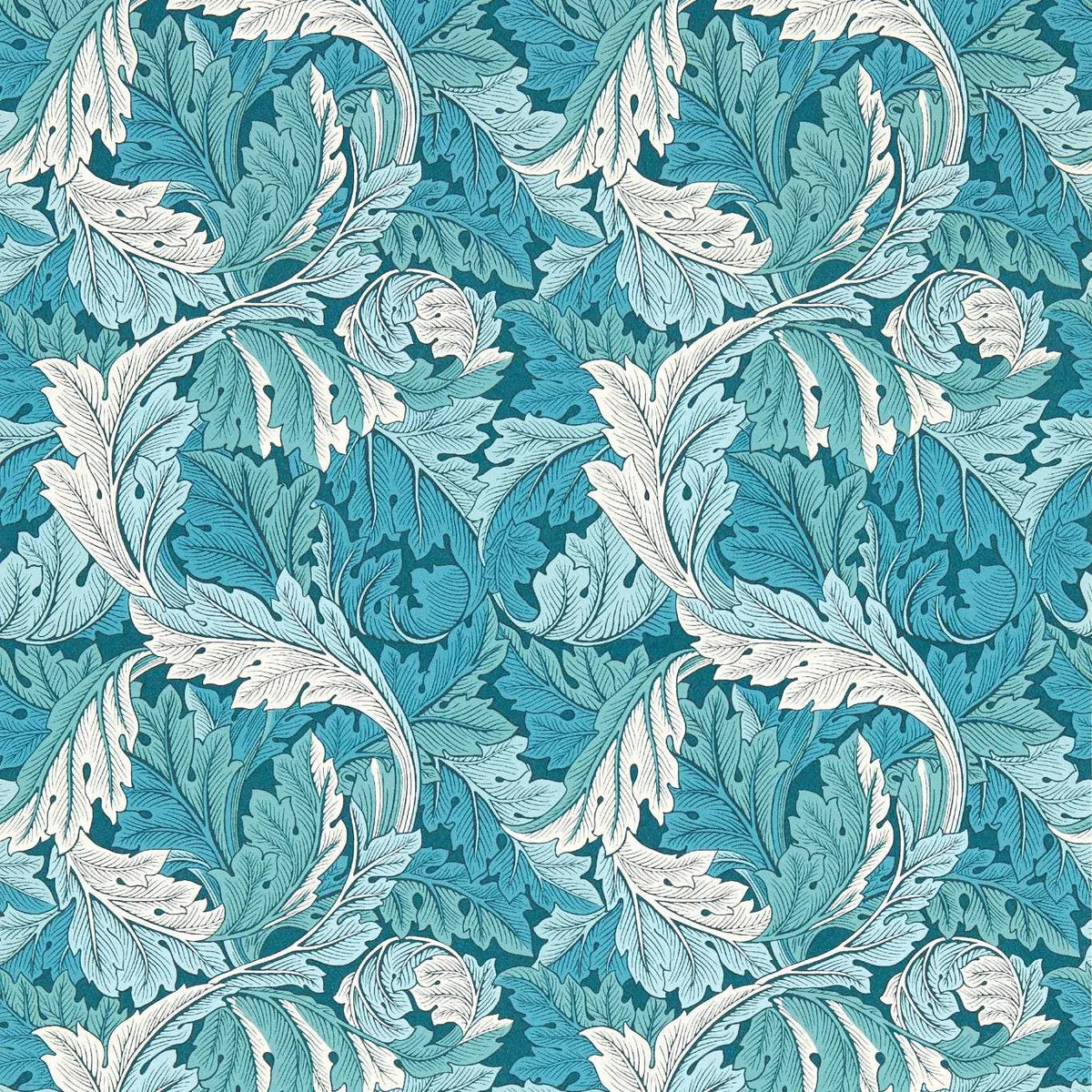
Acanthus by Clarke & Clarke. The William Morris design, all swirling acanthus leaves, in Sage, Slate and other colourways. A 31.8cm repeat, so the pattern is dense and immersive rather than mural-scale. The maximalist choice for people who want heritage, not tropical.
Animal Damask by Joules. A large-scale take on the traditional damask, in regal colours, with a 105cm repeat. It has wit to it, which stops the grandeur feeling stuffy.
Mombasa Tropical Banner by Clarke & Clarke. A wide-width panel design from the Breegan Jane collection, a hand-painted jungle in green and cream. Energetic and unmistakably maximalist. Note it is paste-the-paper, so read the instructions before you start.
Rosa by Harlequin. The painterly floral above, soft and romantic rather than shouty, which proves maximalist does not have to mean dark or heavy.
The practical bits
Big repeats have a catch worth knowing before you buy. The larger the repeat, the more paper you waste matching the pattern from one drop to the next, so a 300cm repeat uses noticeably more than a small one. Work out your wall area, then add a good margin for a large-repeat design, and order an extra roll rather than risk running short on a different batch later. Check the roll dimensions too: the wide-width Harlequin papers cover a wall in fewer drops than a standard 0.52m roll, which changes your maths. Every product page lists the repeat, the roll size, the match type and whether it is paste-the-wall or paste-the-paper, so the numbers are there before you commit.
If you want to see how these designs sit in a real room, the room-set photos and pattern-repeat figures across our wallpaper range are the place to start, and the maximalist edit gathers the boldest of them in one place. Pick the one wall you want to be about something, and let it do the talking.